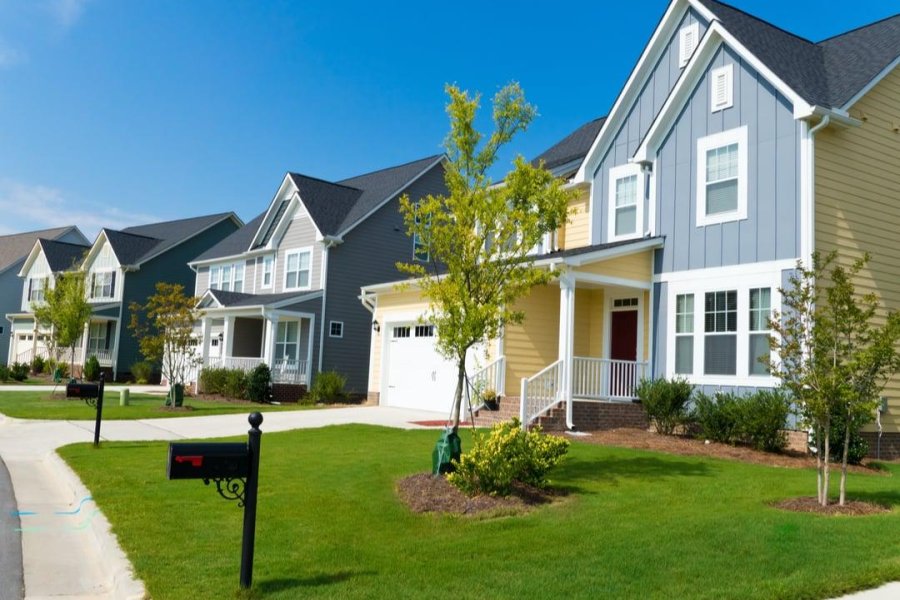
Welcome to the dynamic realm of South Carolina's housing market, where trends are in constant flux and opportunities abound. As we venture into 2024, experts foresee a continued upswing in the state's real estate sector. From the historic charm of Charleston to the vibrant energy of Greenville, let's explore the latest pricing trends and forecasts, catering to first-time homebuyers, seasoned investors, and curious observers alike. Let's dive in!
Presently, South Carolina's housing market grapples with a significant mismatch between supply and demand, posing challenges for many low-income households. A study by the University of South Carolina's business school and SC Housing revealed this discrepancy, attributing it to a surge in demand outpacing housing supply growth. Additionally, rising mortgage interest rates compound the issue, further straining the affordability of housing in the state.
The study found that over 30% of households earning between $35,000 and $75,000 annually spend over a third of their income on housing, exacerbating affordability concerns. Particularly, low-income households earning less than $35,000 annually face the greatest struggle in finding affordable housing options.
The tightening affordability landscape is exacerbated by escalating mortgage interest rates, a consequence of the Federal Reserve's measures to rein in inflation. This supply-demand mismatch has made it increasingly challenging for prospective homebuyers to find homes within their budget, prompting some to remain in their current residences. There had been speculation earlier in Febuary and early March that the Feds were going to begin to cut interest rates as early as quarter 2. But these claims have been dismissed, as inflation continues to be out of control. The feds have announced no rate cuts in the near future, and may wait till the end of this year before we see any cuts.
Renting your home out right now may be your best option, especially if you are locked into a good interest rate. If you have questions about renting your home out, check out palmlifeproperty.com or email us at palmlifeproperty@gmail.com and see how you can make passive income, with the lowest management fee in South Carolina!
Forecasting the South Carolina Housing Market for 2024, it's imperative to analyze key metrics shaping the landscape. According to Zillow:
Average Home Value: As of April 1st, the average home value in South Carolina stands at 287,882, reflecting a 3.7% increase over the past year, indicative of positive growth.
Days on Market: South Carolina homes spend an average of 25 days on the market before going pending, suggesting a swift and competitive environment.
Housing Inventory: As of January 31, 2024, there are 20,233 homes available for sale, a pivotal factor in understanding supply-demand dynamics.
New Listings: January 2024 saw 5,812 new listings entering the market, expanding options for potential buyers.
Median Sale to List Ratio: As of April 1st, 2024, the median sale to list ratio stands at 0.981, offering insights into negotiation dynamics.
Median Sale Price: As of April 1st, 2024, the median sale price is 287,882, providing a more accurate representation of the market.
Median List Price: As of April 1st, 2024, the median list price is $344,940.
Percent of Sales Over/Under List Price: As of April 1st, 2024, 14.4% of sales were above the list price, indicative of a competitive market, while 64.9% were under the list price, showcasing pricing strategy diversity.
Regional Housing Market Forecasts vary across South Carolina's cities:
Spartanburg: Anticipates gradual growth, potentially attracting real estate investors.
Hilton Head Island: Exhibits a steady rise, appealing to both homebuyers and investors.
Charleston: Foresees a minor dip but remains stable, signaling potential for development.
Seneca: Offers steady returns on real estate investments.
Greenwood: Projects growth and stability.
Myrtle Beach: Shows an upward trend, drawing interest from buyers and investors.
Georgetown: Displays promising growth, making it attractive for potential buyers and investors.
Columbia: Expected to witness steady growth, offering stability and potential returns.
Greenville: Poised for positive momentum, making it a focal point for real estate investments.
Florence: Presents opportunities for appreciation in property values.
Newberry: Reflects resilience and potential for recovery in the housing sector.
Orangeburg: Expected to recover from a temporary dip, offering opportunities for investment.
Sumter: Projects steady growth, making it a consideration for homebuyers and investors.
Gaffney: Offers stability and growth potential in its housing market.
Bennettsville: Shows mixed trends, requiring careful assessment for potential rewards.
As for the speculation surrounding a South Carolina housing market crash, current local data does not support such concerns. While some areas may experience minor corrections, the overall outlook suggests a stable and resilient market. Factors such as economic conditions, interest rates, and demographic shifts may influence future trends. Thus, continuous monitoring and informed decision-making are essential.
Although the South Carolina housing market has witnessed a surge in demand and rising prices, its historical resilience amidst economic downturns instills confidence. However, potential risks like rapid demand growth leading to a housing bubble and subsequent market corrections should be monitored. As always, conducting thorough research and seeking expert advice are prudent steps before making significant financial decisions.
